
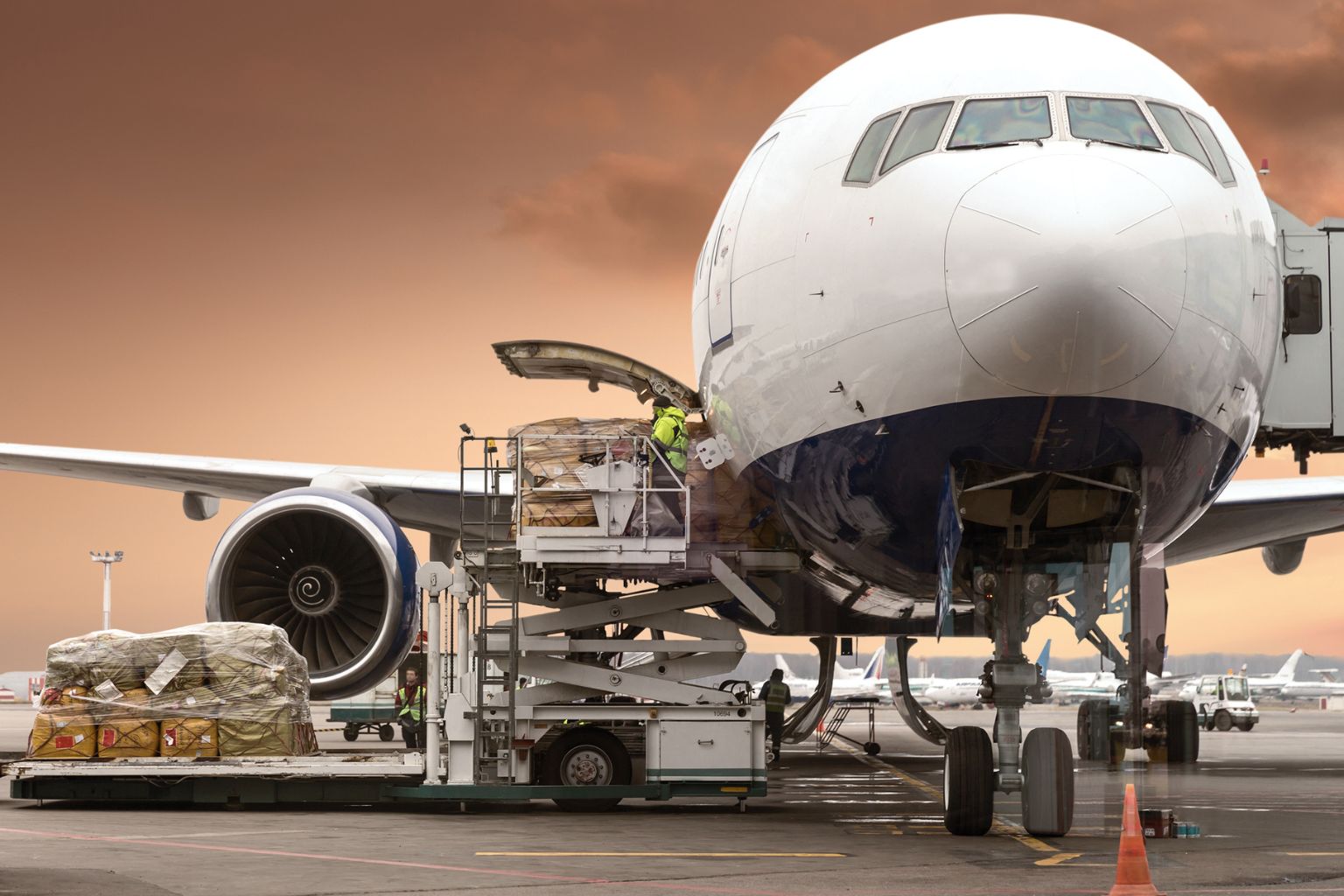
When speed, reliability, or special handling is required, cargo flights offer solutions that commercial airlines can’t match. Whether it’s urgent medical supplies, industrial equipment, humanitarian aid, or luxury goods, chartering a cargo aircraft ensures that shipments reach their destination quickly and safely.
Here’s what you should know before booking a cargo flight and how to arrange one with confidence.
What Is a Cargo Flight?
A cargo flight is a dedicated aircraft configured to transport goods instead of passengers. Depending on the size and nature of the shipment, operators may use:
- Small turboprops or Light jets for urgent, small-volume transport.
- Medium freighters for regional routes.
- Large freighters (Boeing 747F or 777F) for oversized or long-haul shipments.
When Should You Book a Cargo Flight?
Cargo flights are typically used when:
- Time-sensitive shipments must reach their destination quickly.
- High-value or delicate goods require special handling and security.
- Oversized or heavy cargo doesn’t fit in standard airline freight compartments.
- Remote or underserved locations lack sufficient commercial airline service.
- Urgent humanitarian needs demand rapid deployment of medical supplies, food, or relief equipment.
Key Factors to Consider
When planning a cargo flight, consider these elements:
- Weight and Dimensions: Determines the aircraft type required.
- Nature of Cargo: Hazardous materials, perishables, or live animals require special approvals and equipment.
- Origin & Destination: Some airports have restrictions for cargo operations.
- Urgency: Lead time affects pricing and availability.
- Customs & Documentation: International shipments require proper clearance and paperwork.
How to Book a Cargo Flight
Booking a cargo flight is a tailored process, not an off-the-shelf product. Here’s how it works:
- Initial Request: Provide details of the cargo (weight, size, type), origin, and destination.
- Aircraft Selection: A broker or operator proposes suitable aircraft based on the shipment profile.
- Quote & Confirmation: Transparent pricing is offered, including handling and permit fees.
- Coordination: Ground logistics, customs clearance, and loading are arranged.
- Execution: Cargo is delivered to the aircraft, flown to the destination, and transferred to ground handlers or final delivery service.
How Much Does It Cost?
The cost of a cargo flight depends on:
- Aircraft size and type (small turboprop vs. wide-body freighter).
- Distance and route (domestic vs. international).
- Cargo type and handling (special permits, security, refrigeration, or equipment).
- Urgency and availability of aircraft.
As a guideline, a short-range turboprop flight can start around $5,000–$10,000, while long-haul heavy freighters may exceed $150,000–$500,000 per mission.
Why Choose Arriba Air for Cargo Flights?
At Arriba Air, we provide access to a global network of certified cargo operators, from small urgent charters to massive freighter aircraft.
We assist with:
- Finding the right aircraft for your cargo.
- Handling permits, customs, and documentation.
- Ensuring safe, secure, and efficient transport.
- Operating worldwide, including remote or emergency locations.
Need to move cargo quickly and securely? Contact Arriba Air today to receive a tailored quote and expert guidance.





 English
  Português do Brasil
  Español
  Français
  Italiano
  Deutsch