
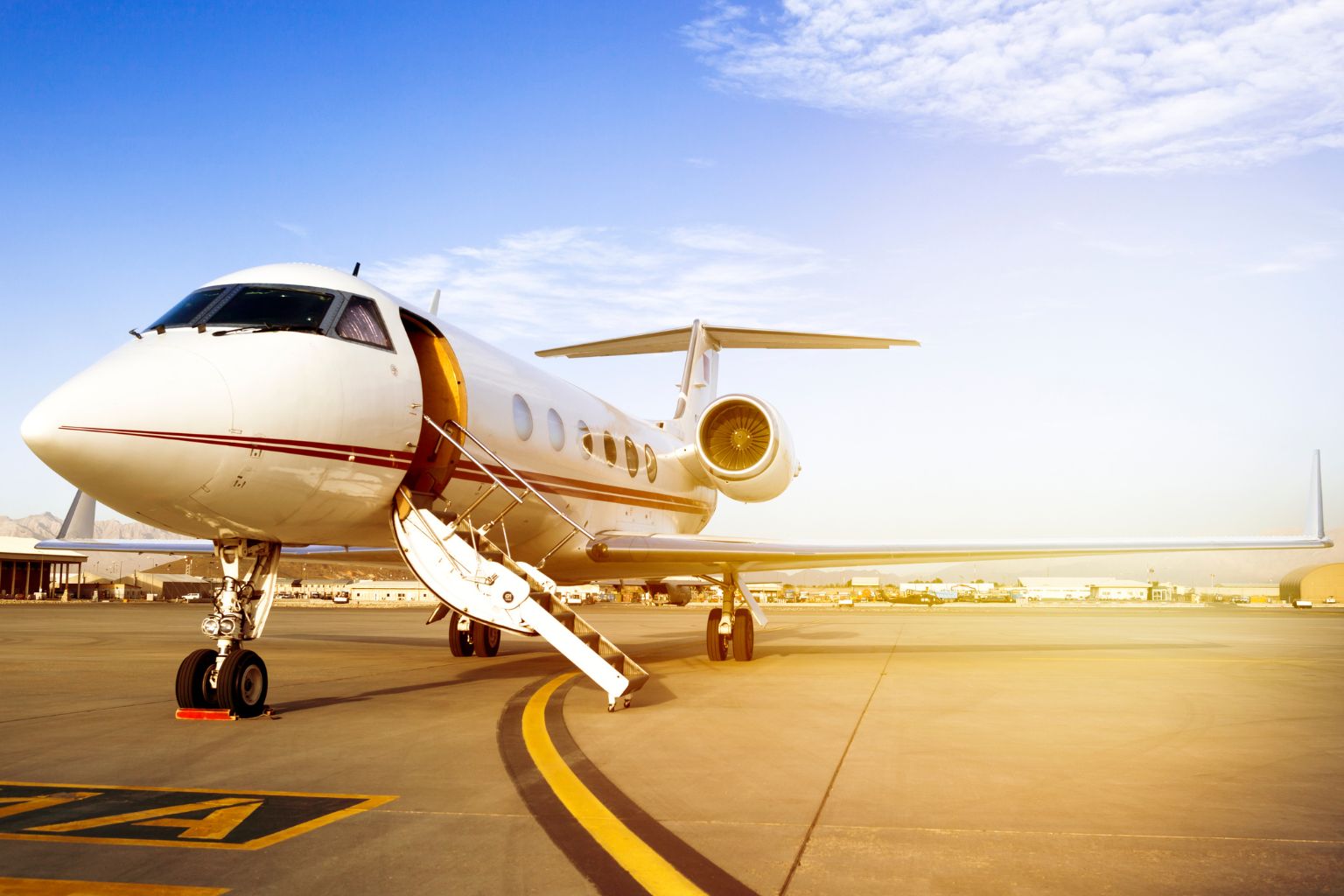
Safety is always the top priority in aviation, whether flying commercially or privately. For many travelers new to private jets, one of the most common questions is: “Is flying private really safe?”
The answer is yes, when you choose the right operator, aircraft, and crew. At Arriba Air, we only work with certified operators that meet the highest international safety standards. Here’s what you should know to ensure your private flight is as safe as possible.
1. Choose Certified Operators Only
Private jets are operated by companies licensed by aviation authorities such as EASA (Europe) or FAA (United States). These certifications guarantee that the operator follows strict safety procedures, maintenance schedules, and crew training requirements.
2. Experienced, Professional Pilots
Unlike commercial airlines, private aviation often gives you access to pilots with thousands of hours of flying experience on the specific aircraft type you’re boarding. Always make sure:
- Both captain and co-pilot are present (common for jets, required for larger aircraft).
- Pilots undergo regular simulator training and medical exams.
3. Aircraft Maintenance Standards
Well-maintained aircraft are the cornerstone of safe flying. Every private jet undergoes scheduled inspections based on hours flown, cycles, and calendar time. Before every flight, crews also conduct detailed pre-flight checks.
4. Weather and Operational Decisions
Private jets have flexibility, but safety always comes first. If weather conditions or airport restrictions make a flight unsafe, operators will recommend delaying, rerouting, or upgrading the aircraft.
A good operational procedure is to never “push” a flight at the expense of safety.
5. Passenger Responsibility
Safety also depends on passengers following guidelines:
- Share accurate passenger weights and baggage details (important for balance and performance).
- Follow crew instructions during boarding, takeoff, and landing.
- Respect dangerous goods restrictions (no hazardous items in luggage).
6. Emergency Preparedness
Modern private jets are equipped with advanced avionics, redundant systems, and safety equipment such as life vests, oxygen systems, and first aid kits. Crew are trained in emergency procedures including medical assistance, evacuation, and communication with authorities.
Final Thoughts: Private Jet Safety
Private aviation can be as safe, or even safer, than commercial flying, provided you fly with certified operators and experienced crews. At Arriba Air, we believe in transparency, safety-first decision-making, and strict operator vetting, so you can relax and enjoy the journey.




 English
  Português do Brasil
  Español
  Français
  Italiano
  Deutsch